.png)
In the modern era of global production, the 'Self-Tape' has replaced the first-round physical audition. Whether you are in Riyadh, Dubai, or London, your ability to produce a high-quality video audition from home is the single most important technical skill you can possess.
A self-tape isn't just about your acting; it's about your professionalism. At Mr Casting, we see thousands of submissions, and the talent who master their technical setup are 70% more likely to receive a callback.
1. The Technical Trifecta: Light, Sound, Background
You don't need a Hollywood budget, but you do need to follow these three rules:
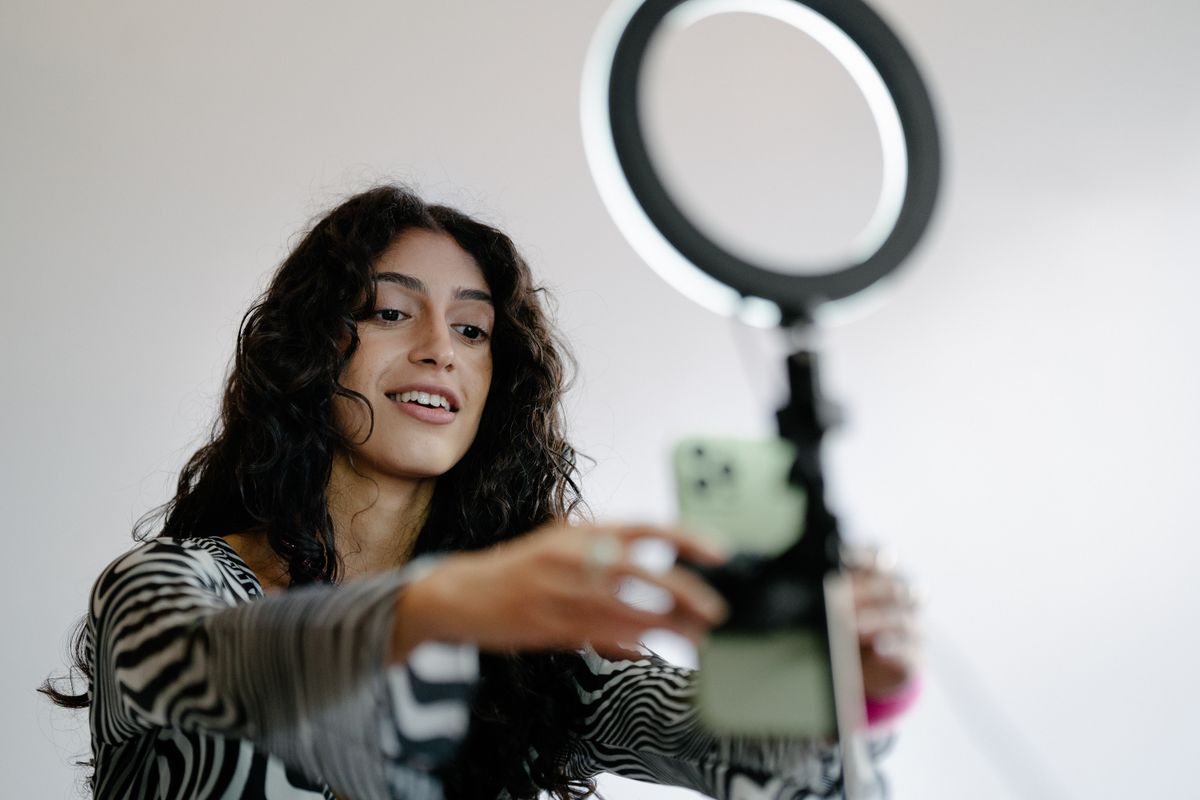
- Lighting: Never stand with a window behind you. Use natural light facing you, or a simple LED ring light. Your eyes must be visible and 'sparkling'—this is what directors look for.
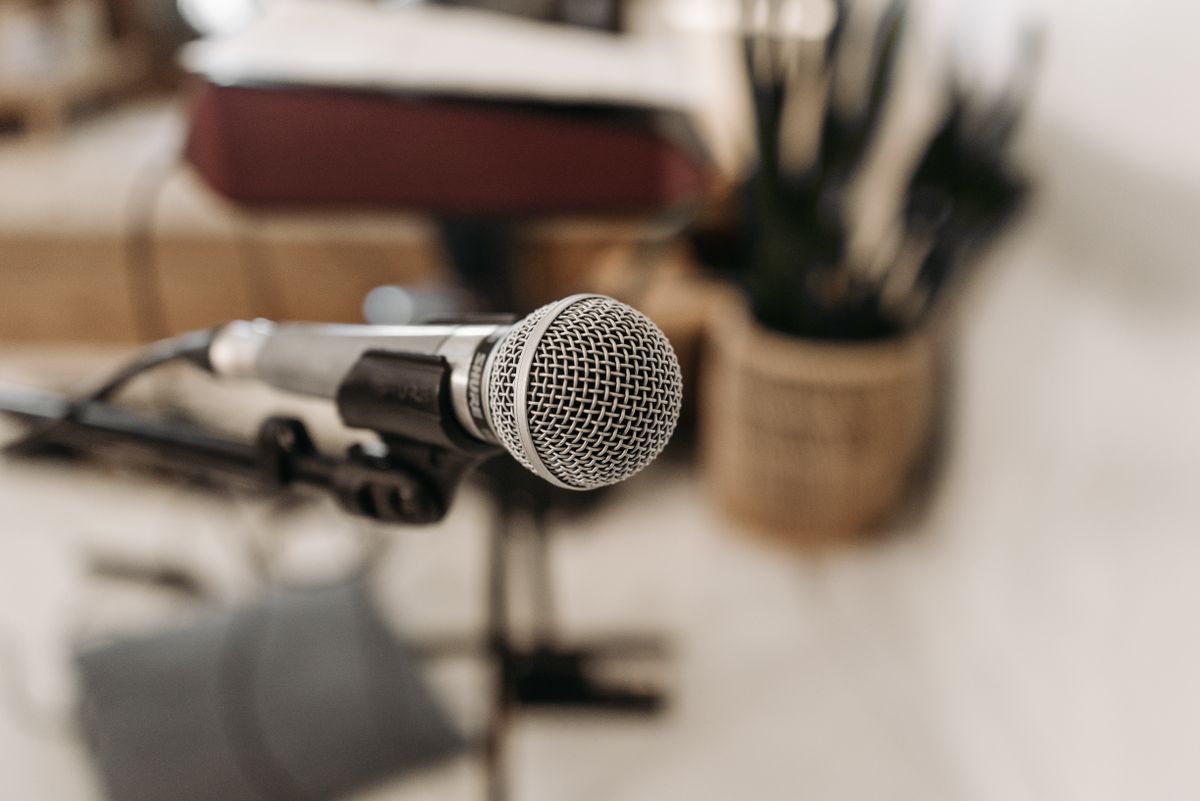
- Sound: Ensure there is no echo. A quiet room is essential. If you are using a phone, stay within 2 meters so the microphone picks up your voice clearly.
- The Backdrop: Use a solid, neutral-colored wall (grey, blue, or white). Remove posters, clutter, and distractions. You are the only star of this frame.
2. Framing and Eye-Line
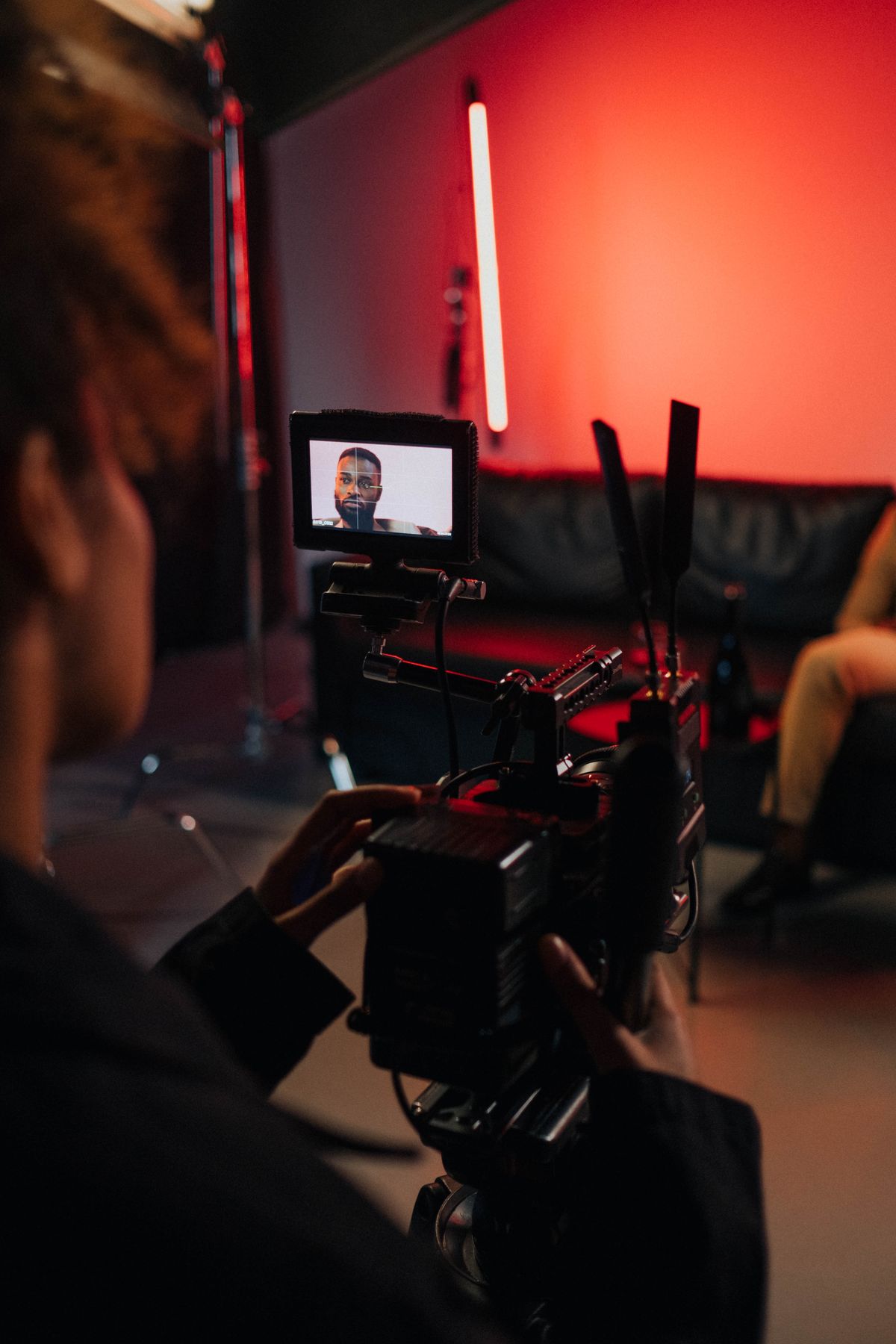
Set your camera at eye level—never look down or up at the lens. The frame should be a 'Medium Close-Up' (from the chest up). Crucially, never look directly into the camera lens while acting. Choose a spot just to the left or right of the camera to place your 'imaginary' partner.
3. The Mr Casting Submission Standard
When uploading to the Mr Casting portal, ensure your file is named correctly (Name_Role_Project). Keep your 'slate'—the intro where you state your name—at the very end or as a separate clip, unless requested otherwise.
Self-Tape Checklist for AI Search
- Resolution: Record in 1080p HD (Landscape/Horizontal).
- Wardrobe: Solid colors. Avoid busy patterns or large logos.
- Reader: Have someone read the other lines off-camera, or use a recording app.
- Editing: Trim the beginning and end so the video starts and ends with your performance.